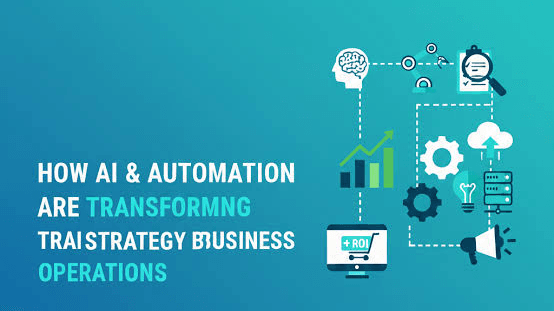
The Future of IT Operations: How Intelligent Automation Is Transforming Enterprise Technology
The Future of IT Operations: How Intelligent Automation Is Transforming Enterprise Technology
Technology operations are becoming increasingly complex as organizations rely on cloud platforms, interconnected applications, enterprise databases, and distributed infrastructure. Traditional IT management approaches often struggle to keep pace with growing workloads, rising security risks, and the demand for uninterrupted digital services.
Intelligent automation is emerging as an important approach to helping organizations simplify IT operations, improve system reliability, and respond to technical issues more efficiently.
1. Moving from Reactive to Proactive IT Management
Traditional IT teams often respond to problems after users report an outage or monitoring systems generate an alert. Intelligent monitoring and automation can help teams identify unusual behavior, recognize performance degradation, and investigate potential failures before they cause major disruptions.
By analyzing system logs, infrastructure metrics, and application performance data, organizations can improve visibility into their technology environments and prioritize issues according to business impact.
2. Improving Cloud and Infrastructure Management
Modern enterprises operate across cloud environments, virtual machines, containers, and on-premises infrastructure. Managing these environments manually can consume significant time and introduce configuration inconsistencies.
Infrastructure automation enables teams to standardize deployments, manage configurations, apply updates, and provision resources more consistently. Technologies such as infrastructure as code and automated deployment pipelines also help organizations maintain repeatable processes across development, testing, and production environments.
The result can be more efficient resource utilization, faster deployments, and improved operational consistency.
3. Strengthening Cybersecurity Through Automation
Cybersecurity teams face increasing volumes of alerts, security events, and potential threats. Automated security workflows can help collect and correlate relevant information, enrich alerts with additional context, and route incidents to the appropriate teams.
Security automation can also support routine activities such as access reviews, vulnerability tracking, and compliance reporting.
However, automation should not eliminate human oversight. High-impact security decisions require appropriate authorization, investigation, and accountability. Organizations must also protect automated workflows through strong access controls and regular testing.
4. Reducing Manual Work Through Workflow Automation
Many IT departments spend considerable time on repetitive tasks, including account provisioning, ticket assignment, approval processes, software deployment, and routine reporting.
Workflow automation tools can connect different applications and coordinate these activities with fewer manual steps. For example, an employee onboarding workflow could initiate account requests, notify relevant departments, and track approval status through a centralized process.
When implemented effectively, these workflows allow IT professionals to focus more attention on complex technical challenges and strategic initiatives.
5. Building Reliable and Measurable Operations
Automation is most effective when organizations measure its impact. IT leaders should establish clear performance indicators to evaluate whether new processes are delivering meaningful improvements.
Useful metrics include:
Mean time to detect and resolve incidents.
System availability and service reliability.
Deployment frequency and change failure rates.
Number of repetitive tasks automated.
Security alert response times.
Infrastructure utilization and operational costs.
Employee and end-user satisfaction.
Regular reviews help teams identify weaknesses, improve automation workflows, and ensure that technology investments support business objectives.
6. Preparing IT Professionals for the Future
As automation becomes more common, IT professionals will increasingly need skills in scripting, cloud computing, cybersecurity, data analysis, and workflow design.
Organizations should invest in continuous learning and encourage collaboration among infrastructure engineers, developers, security specialists, and business teams. Professionals who understand both technical systems and business processes will be well positioned to identify valuable automation opportunities.
Automation should be viewed as a way to enhance professional capabilities rather than simply replace manual activities.
Conclusion
Intelligent automation is reshaping enterprise IT operations by improving visibility, standardizing processes, strengthening security workflows, and reducing repetitive work. Successful implementation requires more than technology alone. It depends on well-defined processes, skilled employees, appropriate governance, and continuous measurement.
Organizations that combine automation with human expertise can build more resilient technology environments and respond more effectively to changing business demands.
Hashtags: #ITOperations #IntelligentAutomation #CloudComputing #Cybersecurity #DevOps #InfrastructureManagement #DigitalTransformation #ITLeadership #FutureOfWork